

TL;DR
- Six Unitree G1 robots performed synchronized dances and Webster backflips at Wang Leehom’s Chengdu concert
- Elon Musk called it “Impressive” on X, sparking global buzz about China’s robotics advancement
- G1 costs around $16K, stands 1.3m tall, way cheaper than rivals like Tesla Optimus
- This shows major progress in dynamic balance for future factory, event, and home use
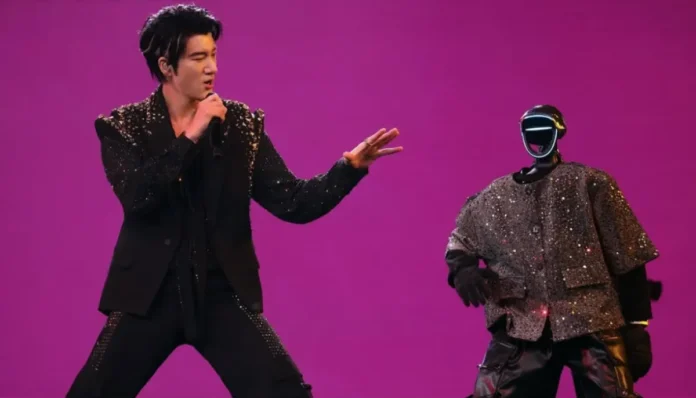
Okay, so humanoid robots just did backflips at a concert. Yes, you read that right. Six silver clad Unitree G1 robots showed up at Wang Leehom’s show in Chengdu on December 19, 2025 and absolutely crushed it. They danced in perfect sync with human performers to Open Fire and then all six pulled off flawless Webster backflips at the exact same time.
The 18,000 people in the crowd lost their minds. Videos blew up on social media with millions of views overnight. Even Elon Musk couldn’t resist. He shared the clip on X with just one word: “Impressive.”
What really gets me is how fast this technology is moving. Remember the 2025 Spring Festival Gala from January? Those robots looked like babies taking their first steps during a folk dance. Fast forward 11 months and now they’re doing acrobatic flips on a concert stage. One person on Chinese social media nailed it: From toddlers to acrobats, straight out of science fiction.
Inside the Unitree G1 Robot

Let me break down what this robot actually is. Unitree Robotics in Hangzhou designed the G1 as an affordable option for people who want to get into humanoid robots. It’s about 1.32 meters tall, weighs 35 kilograms and you can fold it down to make it easier to transport.
The specs are pretty impressive. It has 23 degrees of freedom. Which means 6 per leg, 5 per arm and 1 at the waist. You can upgrade to 43 if you add dexterous hands and wrist joints. The joints deliver up to 120 N·m of torque in the EDU version and 90 N·m at the knee for the base model. Each arm handles a 2 kg payload.
For sensors, it comes loaded with 3D LiDAR, an Intel RealSense depth camera, a 4 mic array and a 5W speaker. A 9000 mAh battery powers everything for about 2 hours. It walks at 2 m/s with an 8 core CPU running the show.
Now here’s the best part. Base models run between $12,000 and $16,000. EDU versions with NVIDIA Jetson Orin NX and 100 TOPS of AI compute cost more. But we’re still talking way less than most competitors.
The technology behind it is pretty cool. Force position hybrid control and dual encoders per joint make the movements super smooth. It learns through imitation and reinforcement learning. Basically watching moves and practicing until it gets better. Hollow joints keep all the wires hidden and neat. Air cooling prevents overheating during intense routines. At the concert, the robots used simple dummy grips instead of complex hands. But they still absolutely nailed those backflips.
Why Backflips Matter for Real World Robots
Walking around a clean lab is easy. Doing backflips on a concert stage with 18,000 screaming fans? That’s a whole different ball game. Backflips test dynamic balance in ways that simple walking never will. The stage floor has bumps and imperfections. Bright stage lights can mess with sensors. The noise and movement from the crowd adds chaos. The robot has to handle all of that at once.
G1’s motors fire quick bursts of torque for those mid air twists. Then they have to stabilize perfectly for smooth landings. This proves the robot can work in messy, real world conditions like factories, warehouses and live events.
I’ll be honest, there are some limits. The dance routine was programmed ahead of time, not improvised. If a dancer accidentally bumps into the robot. It won’t know how to react. But think about it this way. The same control systems that nail a Webster flip are the exact skills needed for picking up boxes in a warehouse or dodging obstacles on a factory floor. The torque, the gyro sensors the balance algorithms. All of it transfers to practical work applications.
How G1 Stacks Up Against Rivals
Unitree basically came in and undercut everyone on price. They’re targeting researchers and early adopters who want advanced robots without spending a fortune. Check out how it compares:
| Robot | Height/Weight | Price Band | Key Strength | Current Stage |
|---|---|---|---|---|
| Unitree G1 | 1.3m / 35kg | $12K to $16K | Agility and affordability | Shipping to developers |
| Tesla Optimus | 1.7m / 57kg | $20K to $30K | Factory automation | Internal testing |
| Figure 01 | 1.7m / 60kg | $50K or more | Warehouse autonomy | Pilot programs |
| Apptronik Apollo | 1.7m / 65kg | High 6 figures | Heavy industrial work | Enterprise trials |
US companies are focused on labor applications right now. Think Optimus folding laundry and shirts. Meanwhile, G1 is showing off in entertainment and research settings. The money flowing into this space tells an interesting story. Venture capital invested $2.8 billion into US humanoid robotics companies in 2025. Back in 2020, that number was only $43 million. But here’s what matters. While US companies run internal tests. Unitree already shipped over 1,000 units as of 2025.
Future Uses Beyond Concerts
Where will we see these robots pop up next? Theme parks seem like an obvious choice. Brand launches and shopping malls too. They’re safe to use around crowds and they definitely grab attention. Which makes them perfect for marketing.
The long term possibilities get really interesting though. Light manufacturing, helping elderly people, home assistance. Those backflips hint at something else I find fascinating. What about sports training or physical rehab? These robots could demonstrate exercises or help people recover from injuries in ways human trainers can’t.
Developers can customize everything through over the air updates. It also supports ROS2. Which is huge for anyone working in robotics. That opens up endless possibilities for specific jobs and custom applications.
Right now, China leads in manufacturing volume while Western companies push harder on advanced AI capabilities. Musk’s “Impressive” comment feels like a wake up call. The global robotics race just kicked into high gear.
FAQ
Can you buy a Unitree G1 humanoid robot today?
Yes, you absolutely can. Resellers like RobotShop and RoboStore ship base models right now. Prices start in the mid teens. EDU versions for schools and universities pack more AI computing power. You can contact Unitree directly to get exact quotes based on what you need.
Is Unitree G1 better than Tesla Optimus?
It depends on what you’re looking for. G1 wins on price and it’s actually doing backflips today. Optimus aims for factory work long term with more advanced AI in development. Both are improving fast, just in different directions.
Are Unitree robots safe at public events?
Yes, they’re designed with safety in mind. They have multiple sensors and safety controls built specifically for working around people. Zero incidents happened at the Wang Leehom concert. The whole design philosophy focuses on safe operation in human spaces.
What’s next for humanoid robots in 2026?
Events and entertainment applications will come first. Then we’ll probably see warehouse and factory pilots rolling out by 2027. Prices will keep dropping as companies scale up production and the technology improves.
How much does Unitree G1 cost compared to other humanoid robots?
Unitree G1 costs $12,000 to $16,000. That makes it one of the most affordable advanced humanoid robots you can actually buy today. Tesla Optimus is projected at $20,000 to $30,000. Industrial models like Figure 01 cost $50,000 or significantly more.

