

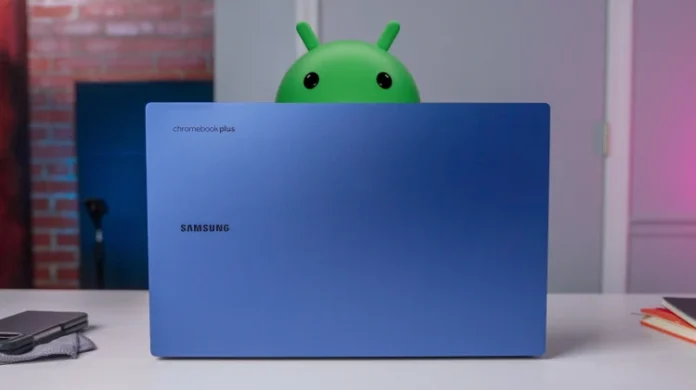
Google is replacing ChromeOS. The new platform is called Aluminium OS and it is built on Android with Gemini AI running at the system level. The first devices called Googlebooks are expected to arrive in Fall 2026 from brands like Acer, ASUS, Dell, HP and Lenovo.
If you use a Chromebook, own an Android phone or are shopping for a new laptop this year, here is everything you need to know.
What Is Google Aluminium OS?
Google Aluminium is a new desktop operating system built on Android, designed to replace ChromeOS on laptops, tablets and 2-in-1 devices. Unlike ChromeOS which ran Android apps through a compatibility layer. Aluminium OS treats Android as its core foundation. The Chrome browser runs natively on top of it and Gemini AI is integrated at the system level rather than added as a separate feature.
Google confirmed the platform publicly at MWC 2026. Sameer Samat, president of Google’s Android Ecosystem, described it as the most significant shift in Google’s laptop strategy since the original Chromebook launched in 2011.
Why Is Google Replacing ChromeOS With Aluminium OS?
ChromeOS worked well for students and casual users for over a decade. But it had real limitations. Android apps ran through a compatibility layer that caused inconsistencies, premium hardware felt held back by the software and the platform never broke into the professional or creative market.
Aluminium OS removes those limitations directly:
- Android apps now run natively without any compatibility layer
- The OS supports proper desktop-style multitasking with resizable, overlapping windows
- Gemini AI runs on-device through a service called AI Core, using Gemini Nano so it works even without an internet connection
- Three device tiers now exist: Entry, Mass Premium, and AL Premium — meaning Google is targeting MacBook-level buyers for the first time
What Are the Key Features of Aluminium OS?
Magic Pointer
A Gemini-powered cursor developed with Google DeepMind. It understands what is on your screen and offers context-aware actions. Hover over a date in an email and it suggests scheduling a meeting. Select two images and it can offer comparisons or edits. Google describes it as the first meaningful cursor innovation since the right-click.
On-Device Gemini AI (AI Core)
Unlike most AI features that require a cloud connection, Aluminium OS runs Gemini Nano locally. This means AI suggestions, summaries and actions work offline. For users in areas with inconsistent connectivity or anyone concerned about privacy, this is a practical advantage.
Natural Language Widget Builder
Users can describe a widget in plain English and Gemini builds it. A travel dashboard that pulls from Gmail and Calendar. A daily task summary. A live news feed. No coding needed just describe what you want and the OS handles the rest.
Deep Android Phone Integration
Aluminium lets you run Android phone apps directly on your laptop without installing them separately. Browse phone files, continue a mobile app or finish an ongoing task — all from the laptop screen. It is similar in concept to Apple’s iPhone Mirroring but deeper in execution.
Aluminium OS vs ChromeOS vs Android: What Is the Difference?
| Feature | ChromeOS | Android | Aluminium OS |
|---|---|---|---|
| Built on | Linux + Chrome browser | Android kernel | Android kernel + Chrome natively |
| App support | Web apps + limited Android | Android apps | Full native Android + Chrome extensions |
| Multitasking | Good windowing | Limited on big screens | Full desktop-class multitasking |
| AI features | Basic | Limited | Gemini built in, runs on-device |
| Phone integration | Moderate | Native to Android | Deep — run phone apps on laptop screen |
| Target users | Students, budget buyers | Mobile users | Professionals, creators, premium buyers |
The clearest way to understand the difference: ChromeOS was built for simplicity. Android was built for touch. Aluminium OS is being built for serious laptop use in a world where AI is part of every workflow.
Will Aluminium OS Replace My Chromebook?
Not immediately. Google has confirmed ChromeOS support through at least 2033. Many existing Chromebooks will receive an optional upgrade path to Aluminium OS depending on hardware capability. Devices that cannot support the upgrade will continue receiving security updates until their end-of-life date.
If your Chromebook is more than three or four years old. It is worth checking Google’s official compatibility list when it is published ahead of the Fall 2026 launch.
When Is Aluminium OS Coming Out?
The first Aluminium OS devices launch in Fall 2026 under the Googlebook brand. The initial release is limited to commercial trusted testers. A wider public rollout is expected around 2028 based on documents from Google’s antitrust case.
Google I/O 2026, running May 19–20 in Mountain View, California, is expected to reveal deeper technical details and possibly the final official name for the OS, since Aluminium OS is confirmed to be a codename.
Frequently Asked Questions
What devices will run Aluminium OS?
The first Aluminium OS laptops — called Googlebooks — will come from Acer, ASUS, Dell, HP, and Lenovo in Fall 2026. Each device will feature a design element called the Glowbar, which also acts as an AI activity indicator.
Is Aluminium OS the same as Android?
No. Aluminium OS is built on Android but adds a full desktop interface, native Chrome browser support, Gemini AI integration, and desktop-class multitasking. It is designed specifically for laptops and larger screens.
Will existing Android apps work on Aluminium OS?
Yes. Because Aluminium OS is built on Android, existing Play Store apps run natively — no compatibility layer needed. Developers do not need to rebuild their apps specifically for the platform.
Does Aluminium OS require an internet connection for AI features?
No. Gemini Nano runs on-device through AI Core, so core AI features work offline. More advanced Gemini tasks may still require a connection, but the foundational AI layer does not.
What is the difference between Googlebook and Aluminium OS?
Aluminium OS is the operating system. Googlebook is the brand name for the new category of laptops that run it — similar to how ChromeOS is the software and Chromebook is the hardware brand.
Why This Could Be Google’s Most Important Laptop Move Yet
For Android users, Aluminium OS offers something no Google laptop has delivered before — a device that feels like a genuine extension of your phone rather than a separate product running parallel software. For professionals who found ChromeOS too limited, it removes the most frustrating barriers. And for the laptop market broadly, it signals that Google is done playing it safe at the budget end.
Real-world performance, battery life, app compatibility, and pricing will ultimately decide whether Aluminium OS succeeds. But the foundation looks more serious, more complete, and more ambitious than anything Google has built for laptops in over a decade.

